

the brain behind your goals
the neuroscience behind motivation—and why it’s not as complicated as you think

HAPPY NEW YEAR!!! Did you miss me?
Now that it’s a new year, let’s talk about goal-setting and how it’s rooted in real brain science. I’ve been reading a lot about goal-setting lately, diving into the science behind it, and I want to share what I’ve learned so far.
The way we set, pursue, and achieve our goals is tied to specific parts of the brain. Once you understand how this works, you’ll be able to use that knowledge to your advantage, not just to hit your goals, but to do so consistently.
Here’s a breakdown:
Amygdala: You know that anxious feeling when you think about failing? That’s your amygdala—the brain’s fear center—pushing you to avoid failure and protect your self-image.
Basal Ganglia: This is part of what's referred to as the brain's "go/no-go" system. It's involved in habits and reward-related behavior, which makes it central to goal-directed behaviors. It tells your brain, "time to act!" And it’s also responsible for knowing when to hold back—helping you stay on track and avoid distractions.
Lateral Prefrontal Cortex: This is where long-term thinking and planning happen. It helps you map out complex goals and break them down into actionable steps.
Orbital Frontal Cortex: It’s not just about logic; your emotions come into play here too. This area helps assess your progress, using emotions to guide your next move.
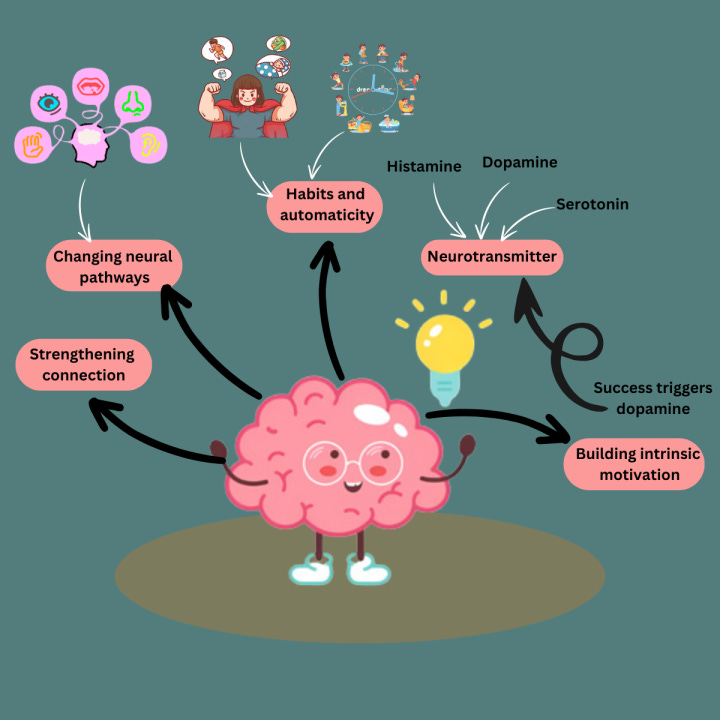
The magic ingredient? Dopamine. It’s the neurotransmitter that keeps you motivated by rewarding you for progress, fueling the cycle of action and achievement. When you're working on something exciting, your brain releases dopamine, reinforcing your efforts and keeping that drive alive.
Goal-Setting Misconceptions
We’ve all heard the advice—visualize success, aim high, and stay positive. But neuroscience says some of these popular tips might be backfiring.
Visualization: It’s great for a quick boost, but spending too much time imagining the perfect outcome can trick the brain’s reward system into thinking you’ve already made it, which can dampen your motivation.
Multitasking: We’re told to avoid it, but light multitasking can actually give you the adrenaline needed to get into goal-focused mode. Just don’t overdo it!
Small Goals = Big Wins?: Sometimes, tiny goals don’t engage your brain’s drive. Challenge yourself a little more. Your brain thrives when a goal is tough but achievable.
Your Identity Affects Your Goals
I’ve come to learn that effective goal-setting isn’t about choosing the easiest path—it’s about striking the right balance between challenge and achievability. Neuroscience shows that goals should be tough enough to demand your attention but not so daunting that they freeze you in your tracks.
The game changer? Your passion for a goal makes all the difference. If you’re not genuinely excited about it, your brain won’t put in the effort needed to push through obstacles. But when your goals align with your identity? That’s when the magic happens.
Identity is about what we do, who we are, and why we do what we do.
How we see ourselves directly impacts the goals we set. For example, if you identify as a "learner," your motivation to pursue knowledge and skills will be unshakable. If you're a "creator," your goals will naturally revolve around innovation and making things happen.
When your goals match your identity, the process feels more in tune, and you’re more likely to stick with it. Think of your identity as a lens for everything you do. Accomplishing a goal reinforces your identity. When your actions align with your core self, your goals won’t feel like obligations—they’ll feel like part of who you are.
Plan B
Dr. Emily Balcetis, a leading expert on goal pursuit, talks about creating "Plan B" strategies. This doesn’t mean admitting failure before you start. It means setting yourself up for success by knowing how to handle obstacles when they inevitably pop up.
Think about how Michael Phelps trained with goggles filled with water to simulate race day setbacks. He didn’t wait for things to go wrong; he built it into his plan.
When you anticipate challenges, you’re less likely to quit when they come. And sometimes, you might even thrive because you’re already prepared.
Link the Physical to the Mental
Here’s a big obvious one: your physical state affects your ability to pursue goals. Duh, I know, but it’s worth reminding. When you're drained, everything feels harder. But when you’re well-rested, hydrated, and energized, suddenly those challenges don’t seem so daunting.
Fuel your body—eat well, sleep right, and stay active. It sounds basic, but it makes all the difference.
Make Your Brain Work For You!
It’s not just about setting goals. It’s about understanding the science behind motivation. It’s about aligning your goals with your identity. It’s about preparing for obstacles and taking care of your body.
And the best part? Your brain keeps rewarding you as you go.
Wishing you all a wonderful start to the new year. Here’s to the many edits along the way.
Mwah,
Silvia
yes, yes, and yes!
Inspiring.